Showing posts with label fitness tips. Show all posts

Tuesday, September 11, 2018

The 3 Week Diet

The Top 12 Metabolism Boosting Superfoods That You Should Be Eating


Add These 12 Fat Burning Superfoods To Your Diet Today!

You can start losing weight now; just by adding some of these great metabolism boosting foods to your diet. Sure half the battle is what we eat; but the other half is exercise, motivation and self-discipline.

1) Kale

Is chocked full of nutrients that aid in suppressing the appetite and detoxifying the liver. Excellent source of Vitamin A, Vitamin K, Vitamin C and rich in fiber. One of the most nutrient rich foods make kale a true superfood. Organic is the best choice and raw Kale can upset the digestive system on certain sensitive individuals; so best to cook it from its raw form. Studies have shown it best not ‘overcook’ Kale when boiling otherwise many nutrients can be lost. Kale does contain some fat but the good news is that it is the super healthy kind of fat, comprised mostly of omega-3. Just one cup of this superfood contains a whopping 4 grams of carbs, 2 grams of fiber and 2 grams of protein.
You may be surprised that one cup of kale actually contains more vitamin C than a whole orange. Another property of kale is that it is thought to help fight against some forms of cancer and being high in vitamin K means that it helps to clot blood while helping the body fight against heart disease. The fact that kale is low on calories and chocked full of nutrients makes it our top superfood pick.

2) Lean Meat

Lean meat is meat that has a low content of fat. Due to less fat, lean meats have lower calories and are thought to be beneficial for those looking for low fat diets that are rich in protein. Lean meats can help the body to boost metabolism, due to the energy required for our bodies to breakdown and digest lean meat. Best examples of lean meat include turkey and chicken. The Protein in lean meat can not only help you feel fuller for longer; they can also provide lots of energy that your body requires.
Skinless chicken is a great example of a lean meat that is also a great source of vitamins and nutrients such as: Vitamins B3, B6, selenium and choline. This combination can benefit the body and cells to eliminate certain free radicals that are known to damage healthy functioning cells, help boost the immune system and even regulate blood glucose.

3) Avocado

Aid in healthy cell development and with regular consumption also protects cells from future damage. Avocado can help to boost metabolism by enabling those hormones in the body that can shut down fat storage and boost the metabolic rate. Surprisingly, avocado contains more potassium than bananas and this is especially important due to potassium being a nutrient that many people are known to be deficient in. Potassium can actually benefit the heart and is known to help lower blood pressure naturally.
Related: Want to Lose Belly Fat Fast? Click Here For The 12 Step Guide
Chocked full of monounsaturated healthy fats that help burn fat by activating the metabolism. Also a great source of antioxidants that facilitate blood flow and lower inflammation. The avocado typically contains 160 calories, 2 grams of protein, 15 grams of healthy fat, 2 grams of carbs and 7 grams of fiber. Avocado contains a huge amount of fat, in fact it’s one of the fattiest plants in existence; but this comes with healthy twist as this fat is comprised mainly of oleic acid variety. This is a monounsaturated form of fat which is known for its ability to help reduce inflammation not unlike olive oil.

The avocado is a great and truly powerful superfood. Chocked full of healthy monounsaturated fats

4) Chili Pepper

Capsaicin the active ingredient in chili peppers and other hot peppers has been scientifically proven to boost the metabolism. They work through a process known as thermogenesis and take place within the cells of our bodies. This translates to sweating and a higher body temperature; thus increasing the body’s energy usage and thereby increasing the metabolism.
Chili peppers are a great way to spice up your meal while also adding great flavour that can really benefit your health in many ways. First of all chili peppers are a great source of iron and because of this they actually can boost mental performance and help guard against age related cognitive decline. They are a great source of potassium also which we know from avocado can help keep cardiovascular disease under control and due to the bright red coloring we know that it has a high content of vitamin A.

Red chilli peppers are a favorable choice for anyone that is interested in losing weight.


5) Brazil Nuts

A great example of a food that is very easy to add to meals or just to snack with. Brazil nuts are loaded with a great mineral called selenium that is known in the scientific community to naturally boost and improve fat metabolism.


Brazil nuts are super healthy and a great snack option for those looking to lose weight


In fact Brazil nuts are one of the best natural sources of selenium. If you are looking for a great example of an anti-inflammatory food that you can easily add to your diet, Brazil nuts are it. The high content of antioxidants make the Brazil nut extremely powerful in the fight against the buildup of free radicals in the body. They also contain a powerful ellagic acid which is known to have anti cancer health benefits. If that’s not enough reason to add Brazil nuts to your diet then how about the ability to also lift your mood? That’s right, Brazil nuts are known to be a mood enhancer and this is primarily due to the selenium content. This is why Brazil nuts are listed as such a powerful superfood that you should add to your diet.

6) Chia Seeds

One true superfood. Chia seeds are packed full of protein and omega-3 fatty acids. They are known to suppress the appetite and activate a fat burning hormone known as glucagon. The best way to consume these seeds is by first soaking them in water or a sauce because they can swell up to ten times their size and help you to feel fuller faster. Chia seeds also are known to provide tons of energy.


Chia seeds are a great addition to a healthy fat burning diet

7) Salmon

Not only is it a great source of protein the fatty acids in salmon can jump start insulin sensitivity that in turn burn fat in the abdominal region. Fresh wild salmon is best.

Wild salmon is a great source of protein and chocked full of Omega fatty acids.

8) Whole Grains

Are an excellent source of healthy fiber and can help you feel fuller for longer due to their slow absorption rate within the body. Quinoa is a great example of grain which is a great source of complete protein. The proteins can actively help burn fat by revving up the metabolism.

Whole grains offer a very nutritious alternative to typically unhealthy white breads

9) Lentils

Have so many great benefits to our diets and best of all; our health. They are loaded with vitamin B3 and iron and can promote an ideal condition for boosting the metabolism. In Just one cup you have 35 percent of your daily need for iron and lots of both protein and dietary fiber. More health benefits of lentils here.
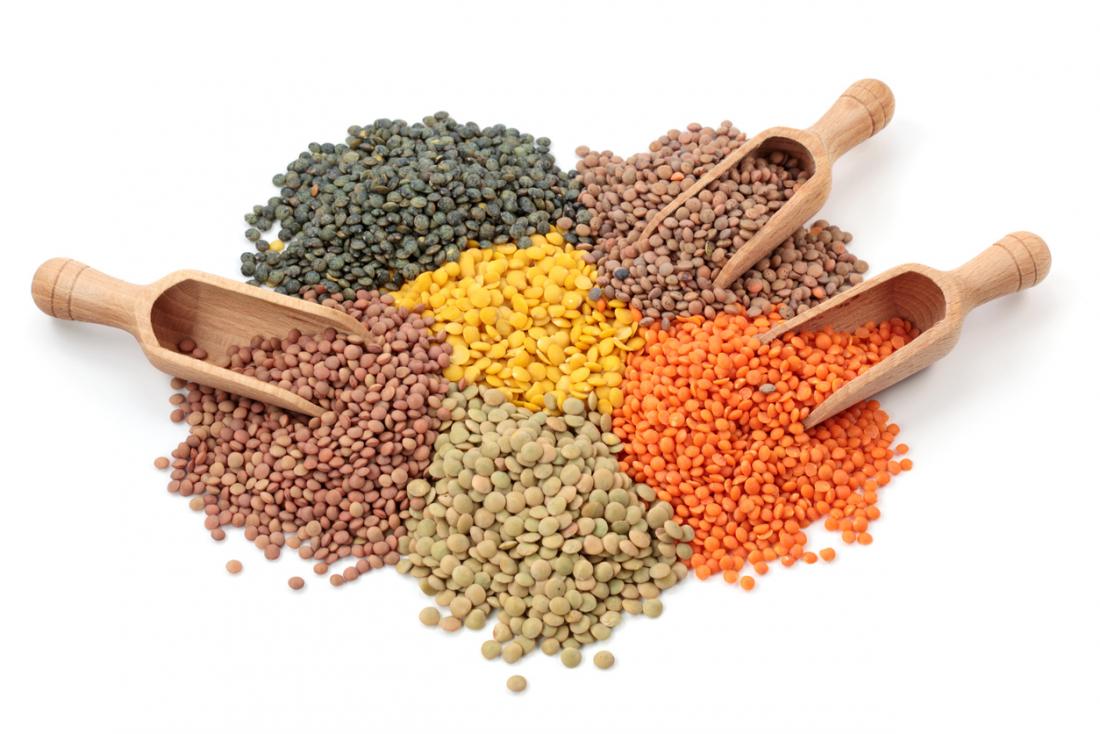
Green lentils can easily be added to many traditional recipes for a super healthy kick.

10) Oysters

Are a superfood with respect to the great source of Zinc and its ability to help suppress the appetite. They are a great source of Omega 3 fatty acids and due to its ratio to Omega 6 it can naturally lower cholesterol and promote heart health.
Oysters have great super-food qualities. (they are also well-known as an aphrodisiac, if you needed another excuse)

11) Coconut Oils

Are not only great for cooking with, they are also loaded with medium chained triglycerides that are much more easily used by the body as energy rather than being stored as fat like other cooking oils. Studies have shown that when compared to olive oil more fat loss is possible with coconut oil. See this link for the  study here

Coconut oil is a great substitute for butter or other less healthycooking oils


12) Cinnamon

Is a huge factor in a number of ways to boost metabolism. Cinnamon can alter the metabolic rate of sugars and carbs. This can in turn help your body to not store carbohydrates as stored fat. Miraculously cinnamon actually is known to target admittedly the worst type of fat; abdominal fat. So not only can it boost your metabolism it can also help you to lose belly fat. Aim for a quarter teaspoon a day to fully reap the rewards of cinnamon boosting the metabolism.


Cinnamon is another great example of a super-food. So tasty and healthy at the same time.


Looking for great recipe ideas? Have a look at this cookbook which is centered on weight loss and metabolism. Take a look here

Sunday, September 9, 2018

Is red tea better than green?


Why Red Tea Is Better Than Green Tea. Green tea has long been acknowledged for its health and wellness benefits, including weight loss assistance. ... It is true that green tea contains powerful antioxidants. These components contribute to minimizing health risks such as cancer and cardiovascular disease.


8 Amazing Health Benefits of Drinking Rooibos Tea or Red Tea

Green, black, brown and now, red! No, these aren’t just some colors on the palette of your paint box. They are hues in the world of tea. The latest addiction and addition to the list being the 'red' tea, all the way from South Africa. We are talking about the Rooibos tea. What makes Rooibos tea so popular is the fact that it is known to have 50% more antioxidants than those found in green tea. Rooibos is obtained from Aspalathus Linearis, a shrub native to the Cape of Good Hope.

According to Bangalore-based Nutritionist Dr. Anju Sood, "Red tea is an excellent anti-oxidant. It prevents the movement of free radicals in the body and thus, reduces oxidative stress. However, just like all kinds of tea, it must be had in moderation as tea is a natural dehydrator."
A powerhouse of health benefits

1. An antioxidant: The antioxidants present in rooibos tea prevent the movement of free radicals in the body and combat oxidative stress. This in turn prevents premature ageing and enables the maintenance of soft, supple skin.

2. Enables digestion: Red tea is caffeine-free and also free of tannins. This element is present in other teas and is known to cause digestive issues among many people. Red tea is a storehouse of antispasmodic elements, preventing diarrhea and gastric issues. It has no oxalic acid, this makes it suitable for those who are prone to developing kidney stones.

3. Full of micro-nutrients: Iron, zinc, copper and manganese are only a few of the many minerals that rooibos tea is rich in. If you are suffering from hair loss, red tea is known to improve hair growth by strengthening the hair follicles and provides the required nutrients that the body needs for healthy hair.

4. Boost your immunity: Red tea has the power to protect your body against diseases while building and strengthening your immunity and making you stronger from within.

5. Anti-inflammatory and anti-bacterial properties: These encourage healing wounds and giving relief from any kind of pain. The tea is super rich in polyphenols, thus aiding the immune system and thereby, boosting the health of an individual.

6. Improves the quality of sleep: It is important to note that rooibos tea is free of any caffeine content and therefore, it is extremely suitable for insomniacs. Caffeine is addictive and creates havoc for your the sleep cycle. Drinking red tea reverses the harrowing effects of too much caffeine and relaxes your tired nerves and calms you down.

7. Enhances bone strength: The presence of calcium and manganese is really good for your bones. Along with strengthening bones, it encourages bone and joint development. Thus, problems like arthritis are kept at bay.


8. Good for skin: Red tea is also the secret to beautiful and radiant skin. The alpha hydroxy content of red tea can reverse cell damage and rejuvenate the skin. As a rich source of bioflavanoids, red tea improves blood circulation and glowing skin.

0 CommentsRooibus tea can be had plain or just like black tea with milk and a drop of honey. In case, you like it without milk, you can add a squeeze of lime for a citrusy flavour. 

Wednesday, September 5, 2018

Seven Unconventional Eating Tips to Help You Lose Weight For Good


There are a lot of weight loss articles out there that delve into complex issues like calorie counting and complex carbs versus simple carbs and after a while all the detailed, and often conflicting, information can leave your head spinning. More here 
These articles can make the whole weight loss process seem so difficult and overwhelming that many people just give up and don’t even try to lose weight.
But having excess weight is bad for your health. It can lead to an increase in blood pressure, which in turn increases your chances of suffering a stroke. It can also lead to high blood sugar (diabetes), high cholesterol and heart disease.
Here are seven simple things you can do to start losing weight. They are easy to do. They take no complex thought, no massive amounts of willpower. Anybody can do them.
Then once the weight starts coming off, maybe you will have the motivation to make even bigger changes that can lead to even more weight loss. More here
Tip 1 – Eat at the table
Most people these days eat their meals from in front of the TV or computer. This is bad because you can go into a trance of sorts while watching the TV or computer and end up eating way more than you would have at the table.
Tip 2 – Eat slowly
It actually takes a while for the stomach to signal your brain that it is full. By eating slower you will consume less “unnecessary” food. Eat slowly, chew thoroughly and really taste your food. Eat too fast and you will strain your stomach and intestines and possibly create uncomfortable indigestion, bloating and cramps.
Tip 3 – Drink less while you eat
Drinking more than 4 ounces of liquid with a meal dilutes stomach acid and digestive enzymes causing you not to digest your food well. Instead drink water 30 minutes before a meal – this will also help you feel fuller so you will eat less.
Tip 4 – Eat while relaxed
If you eat while you are tired, upset or stressed can lead to improper digestion of food which can lead to more fat being stored on your body.

Tip 5 – Eat your heaviest meal earlier
That’s right, don’t save your heaviest meal for dinner, instead eat a heavier lunch and a light meal at dinner time. This will allow you to more easily digest your food in the evening – having digestion finished before going to bed allows for optimum cellular cleansing and rebuilding during sleep.
Tip 6 – Graze instead of gorge
Start eating more smaller meals and less big meals. Eating smaller meals frequently throughout the day helps keep blood sugar levels steady and ensures that you have good energy all day long.
Tip 7 – Start listening to your body
Ask yourself if you are really hungry, or have a glass of water to see if you are thirsty instead of hungry. Many hunger pangs are caused by thirst instead of actual hunger. By listening to your body and eating when you are really hungry instead of when it’s the time that you normally eat can lead to significant weight loss.
 More here

Tuesday, September 4, 2018

Vegan Cauliflower and Pea Curry Recipe: Another Delicious Superfood Recipe


Vegan Cauliflower and Curry Recipe

This great tasting recipe is also very healthy, so feel free to over indulge
Ingredients
  • 2 tbsp sunflower oil
  • 225g pack paneer, cut into cubes
  • 1 head of cauliflower, broken into small florets
  • 2 onions, thickly sliced
  • 2 garlic cloves, crushed
  • 2 heaped tbsp tikka masala paste
  • 500g carton passata
  • 200g frozen peas
  • small pack coriander, roughly chopped
  • basmati rice or naan breads, to serve
  • raita or your favourite chutney, to serve
Preparation Method
  • Heat 1 tbsp of oil in a large non-stick frying pan, add the paneer and fry gently until crisp.
  • Remove with a slotted spoon and set aside. Add the remaining oil and the cauliflower to the pan, and cook for 10 mins until browned.
  • Add the onions, and a little more oil if needed, and cook for a further 5 mins until softened. Stir in the garlic and curry paste, then pour in the passata and 250ml water, and season.
  • Bring to a simmer, then cover and cook for 18-20 mins or until the cauliflower is just tender. Add the frozen peas and crispy paneer to the pan and cook for a further 5 mins.
  • Stir through most of the coriander and garnish with the rest. Serve with basmati rice or naan bread, raita or your favourite chutney
  • Looking for more healthy recipes? Have you heard of Paleo?

Thursday, August 30, 2018

13 Best Fiber Rich Foods

The 13 Best Foods Rich In Fiber

Fiber May Reduce blood Glucose, Reduce cholesterol, and Might Even Stop colon cancer and help you avoid hemorrhoids. If it had been a drug, the entire world could be clamoring for this. But few men and women are receiving sufficient fibre.
Females should get about 25 grams per day and males at least 35 to 40, but the normal man really only requires just 15 grams each day. Eating fiber-rich whole foods–not foods that tout “additional fiber”–would be the ideal method to boost your fiber consumption, ” says Carolyn Brown, RD, a nutritionist in Foodtrainers, in new york. Here’s a listing of high quality foods–and yummy recipes which contain them. More here


1. Corn

We are most comfortable with all the sunny, yellow Edition, however, corn comes in a rainbow of colors–from pink to blue to black–each with its own unique mix of antioxidant nutrients. A single ear of corn, that will be roughly a half cup of corn kernels, contains 2 g of fiber. Popcorn is also a terrific–and low carb–fiber supply, with approximately 3.5 grams of fiber each three-cup serving.   More here

2. Legumes Or Beans
Along with being rich in protein, fiber, and iron, white beans are among the best supplements of potassium–1 cup may pay 25 percent of your Everyday requirement with this particular hypertension-fighting nutrient. Beans get a bad rap when it comes to gas, however, the crucial thing is to rev up your fiber intake slowly,
Brown states. “If you just consume (low-fiber) foods at the moment, do not suddenly change to eating 40 grams of fiber every day, because this will make a good deal of stress into the 
digestive ” Their dark, rich colour indicates a high content of flavonoids, plant pigments 
which are strong antioxidants. As you include beans and other high-fiber foods into yourdiet, make sure to drink extra water, also, Brown states.


3. Kidney beans
The main ingredient in red beans and rice, kidney beans are very popular in northern India in Addition to New Orleans. Much like their cousins–nearly all of the beans we consume share the Latin title Phaseolus vulgaris, or “typical bean”–they are full of protein, fiber, and iron.
Additionally Called chickpeas, these flexible beans include 2 types: the light-colored “Kabuli” kind, most frequent in the USA, along with also the darker “Desi”number, that can be more abundant in antioxidants and fiber.
Garbanzos were first domesticated in the Middle East, in which they remain a significant staple ingredient in dishes like hummus and falafel. They are also widely utilized in India, the world’s biggest manufacturer of chickpeas.


4. Avocado
The creamy flesh of the avocado is a Wonderful fiber resource; a two-tablespoon serving of avocado contains about 2 grams of fiber plus also an Whole fruit comprises around 10 grams. 
Avocados are also a superb source of both mono- and polyunsaturated fats–that the “good” type that could reduce cholesterol and decrease heart-disease risk.


5. Whole-wheat pasta
Swapping out conventional pasta to your whole-wheat kind is a Fantastic way to present more fiber into your daily diet. “Really tiny changes will make a difference,” Brown states. But whole-wheat pasta may be an acquired taste for people that are utilised to the white 
edition.
Grocery stores are very likely to possess whole-wheat pasta in many shapes and brands; you 
might choose to try out a couple of types to discover the one with all the flavor and texture 
combination you like best. more here


6. Brown rice
In case you have been strictly a white-rice eater, the chewier texture and nuttier flavor of brown rice may take some getting used to–but it is worth the attempt. Each cup comprises 3.5 grams of fiber.
Harvard researchers recently discovered that consuming five or more portions of white rice per week raised type 2 diabetes risk by 17 percent, including a few servings of brown rice each week diminished risk by 11 percent. You can pop them from the bunny in your mouth, or blend them in a yummy dip. A half-cup serving of edamame can comprise up to 11 grams of protein and 9 g of fiber, based upon the manufacturer.

7. Whole-wheat bread
White bread and other refined grains have been milled, meaning that the outer coating of the grain (bran) was eliminated, Together with the germ, a little part of the kernel which serves as the seed’s subcutaneous bryo.’ Whole wheat keeps these nutrient- and – fiber-rich components, therefore shifting from white to whole wheat is a smart nutrient move. “which makes it your own go-to will make a large difference concerning the amount of grams of fiber you are getting,” states Brown.
8. Lentils
This Small member of the legume family is high in fiber, with 15.6 g per cup. “Maintaining the skin on is really vital for fiber,” Brown states. A medium-size unpeeled pear comprises about 5.5 g 

9. ArtichokeA only boiled artichoke Includes a whopping 10.3 g of fiber, and you’ll receive 7.2 g of fiber out of a half cup of artichoke hearts. Artichokes are also full of silymarin, an antioxidant whichcan improve liver health.


10. OatmealOats include beta-glucan, a special Kind of fiber which has especially strong anti-microbial effects, and Might also boost immune-system function. Oats also contain a great mixture of soluble fiber (the kind that lowers blood glucose) and insoluble fiber (which can help to keep your digestion functioning smoothly).

Along with becoming extra-rich in fiber, 1 cup will provide you about a third of your everyday fiber needs–they are also chock full of strong antioxidants. More here


11. Broccoli

By now Most of Us know that broccoli Is Quite Great for you. A member of the cruciferous vegetable family, famous for its cancer-preventing properties, this veggie additionally includes a decent quantity of fiber: You will receive roughly 5.1 grams in a cup of boiled broccoli.


12. Apples
If you are referring to apples, the skin is the thing–you have got to leave it on or you’ll be overlooking fiber and a host of valuable phytochemicals. “After you take off the skin, you 
simply take off lots of the great stuff that is in there,” Brown states. One regular-size apple comprises about 4.4 g of fiber.

13. Almonds

Almonds–and nearly every other edible seed and nut you can consider–are all great sources of fiber, packaged with healthful fats and protein. A quarter-cup handful produces a fantastic balance, with approximately 3 g of fiber and about 170 calories.


But if you choose to whip them in a hearty soup or put them into a grain jar, 1 thing is sure: Split peas are a fiber powerhouse. In reality, in a single cooked cup includes a whopping 16.3 g of fiber, which makes them among the very fiber-dense foods about. More here 
FYou Might have loathed these small cabbages as a child, but with numerous fresh tasty ways to prepare them, there is no reason to leave Brussels sprouts from your diet plan. That is particularly true as these vegetables are also a superb source of protein, boasting 4.1 g per cup, boiled.
In Addition to comprising omega-3 fatty acids, protein, and a ton of Vitamins and minerals, these small seeds are exploding with fiber. A Single tbsp of chia seeds contains 5.5 g of fiber. Additionally, they are incredibly easy to integrate into your everyday diet.
You could even combine them with nut milk to make a tasty and wholesome pudding, or use them within an egg replacement in baking. Creating delicious meals hasn’t ever been this easy. Get delicious recipes that literally melt fat away! Click here 


Health Benefits

The long history of Ginkgo Biloba benefits


Ginkgo biloba is known to be one of the most botanically studied tree species. It has a long history of medicinal benefits. Its supplements are among the best and popular herbal medicine, in Europe and United States. It is also one of the most prescribed medicine in France and Germany.

In traditional medicine, it is used to treat blood circulation problem and memory enhancement. Many years of scientific studies have given credence to these facts. Some of these studies support that the use of Ginkgo may be effective in taking care of dementia and Alzheimer’s diseases. Also, it is reported to help in memory enhancement in senior citizens.
At the same time, laboratory studies have proven ginkgo as being capable of improving blood circulation. A 1997 studies in United States suggests that the use of ginkgo extract may be of help in treating the symptoms of Alzheimer’s disease and vascular dementia, but there was no evidence that ginkgo biloba can prevent or cure Alzheimer’s disease.


Uses of Ginkgo biloba

Ginkgo is used to improve blood flow, memory loss, relieve dizziness, and ringing in the ear. Ginkgo biloba herbal remedy has a lot of benefits. It has been deemed one of the most popular medicinal herb, since the past decade. It continues to prove its effectiveness in the treatment of diseases and promotion of well-being. Ginkgo biloba contains antioxidant and anti-inflammatory properties, which helps it not to only improve circulation, but also to get rid of the free radicals. Make fast.....

The brain being a sensitive and complex organ requires good nutrition, in order to function efficiently. Due to the toxic buildup in the body, the brain will overtime begin to receive less blood circulated around it. As this happens, the brain becomes less efficient in its operations, because it is no longer getting sufficient nutrients. That is when memory problems and other diseases begin to creep in. For this reason, it is advised that we make sure that we have proper blood circulation around our whole body. Blood circulation is the vehicle that carries oxygen and needed nutrients to where they are needed. Click here 


Tuesday, August 28, 2018

Juicing for Weight Loss And Health – The Ultimate Guide

Juicing for Weight Loss And Health – The Ultimate Guide


Many people “juice” in an attempt to slim down. Nevertheless, lots of people are left to wonder, is juicing really effective for losing weight, and what does “juicing” mean? Read on and learn about how to juice effectively to ensure that you are getting all the benefits  out of juicing.

Juicing is a way of concentrating the juices from vegetables and fresh fruits and then consuming them in liquid form. This juice is full of minerals, whole nutrients, vitamins, and enzymes, which can be completely and easily absorbed by the body without the need for much digestive work

These go directly into our system at a very fast pace, enabling the entire body to work at its maximum efficacy. Health studies have shown that juicing is more efficient than eating whole vegetables and fruits. This is because eating the vegetables and fruits require our body to digest them. On the flip side, juicing lets our digestive system to “have a break” and allows the body to concentrate on the healing process.

Eating fresh vegetables and fruits everyday helps keep both a balanced mind and body. However, for many people, this isn’t practical or otherwise seems much too challenging in spite of the need to lose weight, or a health scare leading one to adopt a more proactive approach to wellbeing. The response to this concern will be to turn those veggies and fruits into super healthy smoothies and meal replacement juices. Rather than eating them, one can drink them, which can be very convenient.  This process is also known as juicing.


Juice benefits click here
Moreover, fresh juice play an essential role in regenerating and rebuilding metabolic processes and healthy tissues in the body. Juicing is used in various nutritional fields of research to help treat people that suffer from nutrient deficiencies, sickness, and as a means to shed some weight in a safer and healthier way. It’s also a great solution for all those who don’t have time to eat fresh and whole fruits and vegetables and live a busy life.


Eating fresh vegetables and fruits everyday helps keep both a balanced mind and body. However, for many people, this isn’t practical or otherwise seems much too challenging in spite of the need to lose     weight, or a health scare leading one to adopt a more proactive approach to wellbeing. The response to this concern will be to turn those veggies and fruits into super healthy smoothies and meal replacement juices. Rather than eating them, one can drink them, which can be very convenient.  This process is also known as juicing.

Why Juicing For Weight Loss?

Juicing for weight loss is quickly becoming popular, nowadays. That’s because it’s simple, quick, and a practical method to get a body that is healthy, to lose extra weight and to remain fit. It might appear so simple that what you drink or eat could have a powerful effect on your own well being. Nevertheless, there are remarkable advantages from ensuring the juices are fresh.


Drinking fresh veggies and fruits can help you to shed your excess body weight through facilitating the condition of an enormous caloric deficiency. The results of the diet is caloric deficiency of up to 1,500 calories a day, which amounts to about a staggering three pounds of weight loss weekly. You may consume vegetable and fruit juice about every four hours, should you desire to juice for weight loss.
This constant supply of energy will prevent your metabolism from crashing and certainly will keep your own weight loss efforts successful and on track. A fresh juice diet gives additional benefits in that which it helps the body absorb the nutrients from fruits and the vegetables that you’re ingesting. A well nourished body is not as inclined to use muscle tissue as energy and more likely to burn cholesterol and fat.
It is generally recommended to take in more vegetables than fruits when creating the blends of fruits or vegetable fixings for juice recipes. This is because vegetables are understood to have higher rates of nutrients than fruits.
Also, it is important to take note that when making fruit juices, retain the skin of the fruit as much as possible where the nutrients are being stored as it’s. As they contain cyanide substances which might be damaging to your well being, however, pits and the seeds from fruits like peaches, apricots, and apples must be lost.

Lastly, for those who are overweight due to a disorder known as underactive thyroid, juicing vegetables and fruits like watercress, sprouts, apples, grapes, celery, and carrots are highly recommended.
Juicing for weight loss could be carefully done for just two weeks without a break. Consulting your doctor even before beginning a Juice fat fast is recommended in case you want to have a more quick diet, or when you have any type of medical condition. Juice benefits click here